The "SaaSpocalypse" Debate, AI Disruption, and a Funding Boom: What Will SaaS Look Like in 2026?


Introduction
Reinvention has always been good for the SaaS business. Every decade has seen a new wave of change, from using the cloud to subscription models. But 2026 seems different. The change this time isn't just evolutionary; it's fundamental.
The software industry is now in the middle of a heated debate: are we heading toward a "SaaSpocalypse," or are we just seeing the next stage of SaaS evolution? This is because artificial intelligence is changing how software is made, sold, and used.
The answer is somewhere in the middle.
AI Is Changing the Rules of SaaS
For a long time, SaaS products were built around interfaces like dashboards, workflows, and manual inputs. AI is completely changing that model today. Modern SaaS tools are starting to work for users instead of requiring them to use software.
Companies like OpenAI and Anthropic are speeding up this change by making their technologies the base layer for new SaaS products.
What happened? Software is no longer just a tool; it's becoming a smart assistant.
People don't want to "use" CRM platforms, marketing tools, or analytics dashboards anymore. They want results:
Write the campaign
Look at the data
Make the report
All of this happens automatically.
This is the start of AI-native SaaS, where intelligence is the main product, not just an add-on.
The "SaaSpocalypse" Debate: Is It Real or Just Hype?
The word "SaaSpocalypse" became popular after the value of SaaS companies dropped a lot, which made people worry that AI could completely replace traditional software.
Reid Hoffman and other important people have said that AI won't kill software companies, but it will get rid of the ones that don't change.
On the other hand, people like Girish Mathrubootham have said that a complete collapse is not possible because SaaS is not dead; it is just going through a reset.
That's the most important difference.
It's not destruction that's happening; it's displacement.
Legacy SaaS companies that use static features and strict workflows are becoming less important. On the other hand, companies that are agile and put AI first are getting stronger.
Money Is Coming In For AI-First SaaS
Even though people are worried about growth slowing down, investment in SaaS hasn't stopped; it's just moved.
Investors are now putting these things first:
Automation platforms that use AI
Vertical SaaS solutions that are very specialised
Tools that do more than just organise work; they also cut down on it
Rocketlane is a great example. It recently got a lot of money to improve its AI capabilities.
This is part of a bigger trend: money is going after intelligence, not just infrastructure.
Startups that can show real-world automation and measurable results are getting both money and customers.
The Change from Tools to Results
How value is defined is one of the biggest changes in SaaS.
Traditional SaaS:
Paid for access (subscriptions)
Concentrated on features
User effort needed
Modern SaaS:
Costs for use or results
Concentrates on outcomes
Reduces the amount of input from users
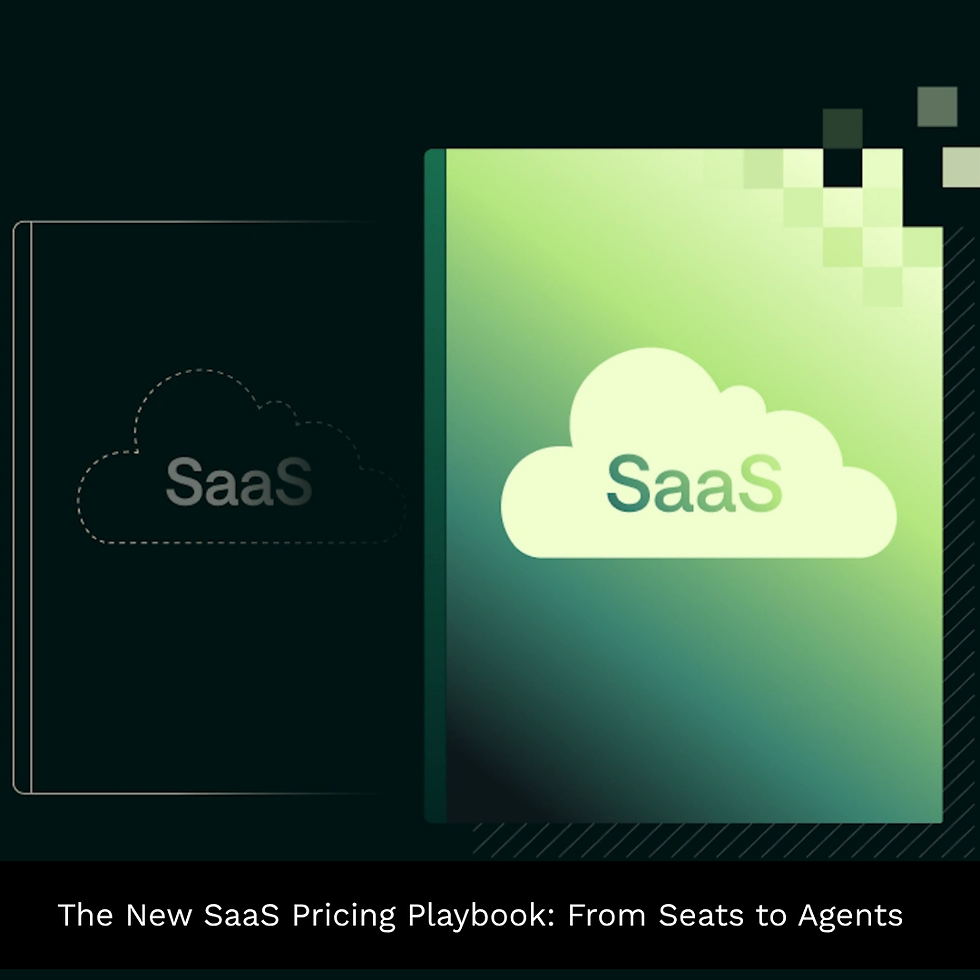
Companies have to rethink how they set prices because of this change. More and more, subscription-based pricing is being replaced by:
Pricing based on usage
Pricing based on results
Models of AI use
Customers don't want to pay for software that they have to use anymore. They want software that does things for them automatically.
Growth That Is Slower but Smarter
The slowdown in SaaS growth is another big trend that will shape 2026.
The industry has seen the following changes in the last few years:
Increasing costs of getting new customers (CAC)
More competition in all categories
Saturation in horizontal SaaS markets
Because of this, businesses are changing their focus from quick growth to smart growth.
This includes:
Getting more money from current customers
Better product experiences to keep customers longer
Using AI to boost upsells and cross-sells
It's not about growing quickly anymore; it's about growing wisely.
India's Growing Role in the Global SaaS Community
India is becoming an important part of the global SaaS scene. The country is in a good position to lead the next wave of innovation because it has a lot of engineering talent and a startup ecosystem that is growing quickly.
Companies like Freshworks have already shown that India can be a great place to build a successful global SaaS business.
Now, a new wave of startups is doing the same thing, and many of them are AI-first from the start.
Some of the main benefits are:
Making products at a low cost
Access to markets all over the world from the start
Boosting investor trust
As AI makes it easier to get into the market, Indian SaaS companies have a unique chance to compete and win on a global scale.
The Rise of SaaS That You Can't See
The move toward what can be called "invisible SaaS" may be the biggest change in the industry.
In this case:
Dashboards don't let users do anything
Processes run on their own
AI makes choices
Users don't have to log into different tools; they just set goals, and the system carries them out.
This is what SaaS is going to do:
From software to agents
From workflows to automation
From interfaces to intelligence
Those companies that get rid of software will be the ones that do well.
What This Means for Business Owners and Marketers
For SaaS Founders:
Make products that are based on AI, not just AI add-ons
Don't add features; instead, work on fixing problems
Use proprietary data as a way to get ahead of the competition
For Marketers:
Messaging should focus on results, not how things work
Content should teach people about AI-powered solutions
SEO strategies should focus on problem-based queries, not just product keywords
The way SaaS is sold is changing just as quickly as the way it is made.
Last Word: SaaS Is Not Dying; It's Changing
The idea of a SaaSpocalypse is a good headline, but it doesn't tell the whole story.
SaaS isn't going away; it's changing.
We are entering a new time when:
AI is the main part of software
Prices are based on the value they provide
User effort is minimised
The companies that get the most results, not the ones with the most features, will win in 2026.
In this new world, software is more than just a tool for work.


Comments